Gutter Cleaning Hackettstown Solutions for Busy Homeowners

Owning a home in Hackettstown comes with a familiar rhythm. The leaves start dropping before you feel ready for fall, spring storms arrive with little patience, and winter has a way of exposing every small maintenance task that got pushed off too long. Gutters sit right in the middle of that cycle. They are easy to ignore when they seem to be working, and expensive to neglect when they are not.
For busy homeowners, that tension is real. You know the gutters matter, but finding time to drag out a ladder, clear wet debris, flush downspouts, and check for hidden damage rarely lands at the top of the weekend list. The result is often a rushed job, a skipped season, or a call for help only after overflow has already stained siding or pooled near the foundation.
That is why practical, realistic Gutter Cleaning Hackettstown solutions matter. The best approach is not always doing everything yourself, and it is not always signing up for the most expensive service package either. The right answer usually depends on your house, your lot, your schedule, and your tolerance for climbing a ladder in cold weather. In my experience, homeowners make the best decisions when they understand what actually causes gutter trouble in this area, what warning signs appear early, and which maintenance strategies save time without creating bigger repairs later.
Why gutters become a bigger issue in Hackettstown than many people expect
A lot of homeowners think of gutters as a simple channel that catches rain. In practice, they are part drainage system, part roof protection, and part foundation defense. When they stop moving water correctly, the damage rarely stays limited to the gutter itself.
Hackettstown homes deal with a mix of seasonal stressors that can https://lorenzoibmk702.lumenforgex.com/posts/best-times-of-year-for-gutter-cleaning-in-hackettstown overwhelm neglected gutters fast. Mature trees are a major one. Even homes without large oaks directly overhead often collect leaves, seed pods, twigs, and pine needles from neighboring lots. Add in summer downpours, spring pollen buildup, and freeze-thaw cycles, and debris tends to compact in troughs and elbows. Once that material gets wet and starts decomposing, water flow drops off quickly.
I have seen gutters that looked only half full from the ground, but once cleaned out they held a thick, muddy layer packed so tightly that rainwater was skimming over the top instead of moving toward the downspouts. That kind of blockage does not always show up as a dramatic waterfall. Sometimes the first clue is much subtler, such as mulch washing out in one corner, a damp line in the basement wall, or paint beginning to bubble near the fascia.
Older neighborhoods can see this problem more often because many homes were built before today’s larger roof runoff volumes became a regular discussion point. Additions, replacement roofs, or changes in landscaping sometimes alter how water moves around the home. A gutter system that was once barely adequate can become undersized or inefficient after years of wear and patchwork repairs.
What busy homeowners usually get wrong
Time pressure changes decision-making. That is not a character flaw, it is just reality. Most people are balancing work, family schedules, and a running list of home maintenance jobs. Gutters often get handled in one of three ways: too late, too quickly, or too inconsistently.
Too late is the obvious version. The gutters do not get cleaned until there is an overflow problem. By then, the service call may involve more than debris removal. It may include reattaching loose sections, correcting slope, clearing downspout clogs, or replacing rotted wood behind the gutter line.
Too quickly happens when the job is squeezed into an hour with limited tools and little inspection. Debris gets scooped out, but downspouts are never tested. Homeowners often assume that if the visible trough is clean, the system is fine. In truth, many drainage failures come from clogs in the downspout elbow or underground extension, not from the open horizontal run.
Too inconsistently is the most common. A homeowner cleans once in the fall but skips spring. Another installs guards and assumes they never need attention again. Someone else hires a service every few years without considering tree cover or roof pitch. Gutters do not operate on a one-size-fits-all schedule. The right frequency depends on what falls onto the roof and how quickly material accumulates.
The hidden costs of postponing gutter cleaning
When people think about clogged gutters, they picture water spilling over the edge. That happens, but the more expensive damage often unfolds slowly.
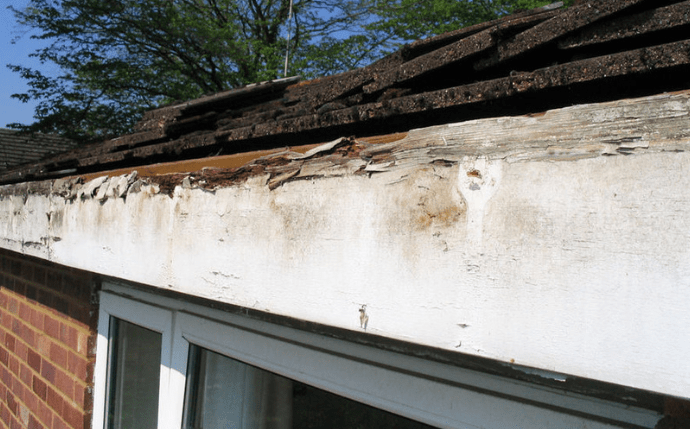
Overflow at the roofline can soak fascia boards and soften the wood behind the mounting hardware. Over time, gutters pull away from the house, creating even worse drainage problems. Water can back up under shingles near the edge of the roof, especially during freezing weather. That is one reason ice problems near the eaves often trace back to poor drainage management rather than snow alone.
At ground level, repeated overflow can carve channels into landscaping, flatten flower beds, and dump water where it should never collect. If the grade around the home is already marginal, clogged gutters can turn a manageable drainage issue into recurring basement moisture. I have walked properties where one neglected downspout corner explained years of dampness complaints.
There is also the issue of pests. Wet debris in gutters makes a surprisingly comfortable environment for insects. In some cases, birds or small animals start nesting in sections where debris has built up enough to hold shape. That kind of blockage rarely improves on its own.
For a busy homeowner, the real cost is not just the repair bill. It is the disruption. Once water gets where it does not belong, the fix often involves multiple trades, scheduling delays, and work that is far more invasive than a routine cleaning would have been.
How often should gutters be cleaned in this area?
This is the question most homeowners want answered with one neat number. The honest answer is that the right schedule varies, but there are solid guidelines.
A typical Hackettstown home with moderate tree cover often benefits from cleaning twice a year, once in late spring and once in late fall. That cadence catches the heavy seasonal debris periods and gives the system a reset before summer storms and winter freeze events.
Homes under dense tree canopy may need more attention. I have seen properties where one fall cleaning simply was not enough because leaves continued dropping and collecting well into early winter. Pine-heavy lots can also be deceptively demanding because needles and small cones build slowly and form tight mats that are hard to flush out.
On the other hand, a newer home with limited tree exposure and well-designed drainage might get by with an annual cleaning, as long as someone is actually checking performance after major storms.
A simple way to think about it is this: schedule by evidence, not optimism. If your gutters were noticeably full last time, if your downspouts ran slowly, or if you saw overflow during recent rain, your current interval is too long.
Signs your gutters need attention sooner than scheduled
Sometimes a calendar reminder is not enough. Homes give early warnings if you know what to look for.
- Water spilling over the front edge during moderate rain
- Gutters sagging, bowing, or separating from the fascia
- Plants, moss, or visible mud collecting in the troughs
- Staining on siding or dark streaks near gutter seams
- Pools of water or washed-out soil near downspout discharge areas
None of those signs should be brushed off as cosmetic. They usually point to a drainage problem that is already affecting more than the gutter itself.
One homeowner I spoke with thought the streaking on the siding was simply age and weathering. When the gutters were cleaned, one downspout turned out to be nearly blocked solid with compacted leaf sludge. Water had been overflowing in the same area for so long that the siding issue became the first visible symptom.
DIY gutter cleaning versus hiring help
There is no universal rule that every homeowner should outsource this job. Some houses are straightforward, some owners are comfortable on ladders, and some people prefer to handle seasonal maintenance themselves. But the decision should be based on risk, time, and complexity, not just on saving money.
Single-story homes with easy access, light debris, and stable ground conditions are the most realistic candidates for do-it-yourself cleaning. Even then, the job goes better when it is done carefully and completely. Rushing through it often defeats the purpose.
Two-story homes, steep rooflines, uneven grading, and hard-to-reach sections shift the calculation quickly. So do gutter systems that have a history of clogging in elbows or underground drains. At that point, professional service is often less about convenience and more about reducing safety risks while getting a more thorough result.
The biggest DIY blind spot is inspection. Homeowners understandably focus on removing debris, but a good cleaning should also reveal loose fasteners, poor pitch, seam leaks, and runoff patterns that are not obvious until water is tested. A professional who does this regularly will often catch those problems in minutes.
That said, not every service call is equal. Some companies clean, flush, and inspect carefully. Others move fast, bag debris, and leave without checking whether the system drains properly. Busy homeowners should ask what the service actually includes.
What to expect from a solid professional gutter cleaning service
A worthwhile gutter cleaning service should do more than scoop out leaves. The best crews approach the job as drainage maintenance, not just debris removal.
At a minimum, the gutters should be cleared by hand or tool, downspouts should be flushed, and visible problem areas should be identified. If a downspout is blocked, the service should address that rather than leaving the clog for the homeowner to discover during the next storm. Cleanup matters too. Debris should not be left scattered on landscaping, patios, or driveways.
Many homeowners also appreciate a brief condition summary. That does not need to be a dramatic sales pitch. It can be as simple as noting that one section is holding water, one corner is loose, or one seam is beginning to leak. Those observations help people plan preventive repairs before they become urgent.
For Gutter Cleaning Hackettstown homeowners often get the most value from local providers who understand the area’s tree density, seasonal timing, and typical house layouts. Familiarity with regional weather patterns matters. A company that knows when heavy leaf drop lingers into late fall, or how winter icing affects older gutter systems, is usually better equipped to recommend a realistic maintenance schedule.
Gutter guards can help, but they are not magic
Busy homeowners are often drawn to gutter guards for obvious reasons. The pitch is appealing: install a protective system once, and stop worrying about cleanings. In reality, guards can reduce maintenance, but they do not eliminate it.
Some types perform well against larger leaves while still allowing fine debris, roof grit, and pollen to settle over time. Others can struggle on homes surrounded by pine needles or in situations where debris mats over the top rather than entering the trough. Performance also depends heavily on proper installation and on whether the existing gutter system has the right pitch and support.
I have seen guards work well on homes with broad deciduous leaves and relatively simple rooflines. I have also seen guarded systems clog because debris collected at roof valleys and washed into trouble spots. In a few cases, homeowners did not realize there was an issue because the guards hid what was happening underneath until water started overshooting the edge.
Guards make the most sense when paired with periodic inspection. Think of them as a way to cut down on labor and frequency, not as a permanent exemption from gutter care.
The seasonal timing that saves the most trouble
If you are trying to simplify home maintenance, timing matters almost as much as the cleaning itself. A well-timed service can prevent months of avoidable stress.
Late spring cleanings are useful because they remove seed pods, blossoms, small twigs, and the grime that accumulates after winter. They also give you a chance to spot damage from ice, snow load, or freeze-thaw movement before summer thunderstorms arrive.
Late fall cleanings are the obvious priority, but timing them well can be trickier than it sounds. Schedule too early, and trees may continue dropping afterward. Wait too long, and colder weather can turn a routine cleaning into a more difficult, riskier job. For heavily wooded properties, a late fall cleaning followed by a visual check a few weeks later often makes more sense than assuming one date solves everything.
Winter is usually not the ideal time for routine maintenance, but it is when neglected gutters often announce themselves. Icicles forming along the gutter edge, water backing up near the roofline, or repeated freezing at one corner can all point to blockages or poor drainage.
A practical maintenance approach for homeowners with limited time
For people who do not want gutters to become another ongoing mental load, a simple system works better than good intentions. The goal is to minimize emergency problems without turning every season into a major project.
- Put two inspection points on your calendar, one in late spring and one in late fall
- After any unusually heavy storm, do a quick ground-level check for overflow or sagging
- Keep downspout exits clear of mulch, leaves, and obstructions
- If your home is two stories or has steep access points, hire out the cleaning rather than postponing it
- Save photos or notes from each service so recurring trouble spots are easier to track
That last point helps more than people expect. If the same corner keeps clogging, the issue may not be the cleaning schedule alone. It may be roof runoff concentration, an alignment problem, or a downspout capacity issue that needs correction.
When gutter cleaning turns into gutter repair
Cleaning and repair often blur together because neglected systems tend to develop both debris problems and structural issues. A clean gutter that is pitched wrong still fails. A firmly attached gutter full of sludge still fails. The full job is about restoring flow.
Common repair needs include re-securing loose hangers, resealing leaky seams, correcting low spots that trap standing water, and replacing crushed or split downspout sections. None of those are especially dramatic on their own, but once ignored they compound. Water is patient. It will keep finding the weakness.
One practical piece of advice I give homeowners is not to authorize major gutter replacement just because a few sections are underperforming, unless the system is truly at end of life. Many houses can be brought back into reliable shape with targeted repairs and a better maintenance plan. Full replacement has its place, especially on older systems with widespread rust, repeated separation, or poor original sizing, but it should not be the default answer to every overflow complaint.
The value of local judgment
There is a reason broad home maintenance advice often falls short. It does not account for the specifics of a place. Hackettstown homes vary from compact in-town properties to larger lots with mature trees and more complex rooflines. Drainage needs differ. So do risk levels.
A busy homeowner benefits most from judgment that is local and practical. That means knowing whether your lot tends to hold moisture, whether your trees drop heavily in one short burst or over a long period, whether your downspouts discharge far enough from the foundation, and whether your gutter design matches your roof’s runoff.
When someone searches for Gutter Cleaning Hackettstown services, they are usually not just looking for debris removal. They are looking for a dependable way to keep one more household system from becoming a problem. The best solution is rarely glamorous. It is a mix of timing, observation, and realistic maintenance choices that fit the property and the homeowner’s schedule.
For some, that means a twice-yearly professional cleaning and nothing more. For others, it means adding guards, adjusting service frequency, or fixing one chronic drainage corner that has caused years of frustration. The common thread is consistency. Gutters do not need constant attention, but they do need enough attention to keep water moving where it should.
That is the real goal. Not spotless gutters for their own sake, but a house that sheds water cleanly, protects its roofline, and avoids preventable damage. For homeowners with packed schedules, that kind of reliability is not a luxury. It is one of the smartest maintenance wins available.
Just Gutters LLC
Address: 262 Main St, Hackettstown, NJ 07840
Phone number: +12013319454
FAQ About Gutter Cleaning Hackettstown
How much should a gutter clean cost?
Professional gutter cleaning typically costs between $163 and $333, with a national average of around $210 to $250 for a standard-sized home.
What months should you clean gutters?
You should clean your gutters twice a year—once in late autumn (November to December) and once in late spring (April to May).
Is it worth paying for gutter cleaning?
Yes, paying for gutter cleaning is worth it because it prevents thousands of dollars in water damage, roof leaks, and structural repairs.
Ends · SERGIOOCED634